December 2, 2025 - Andrew Cook
The Education of a Palate: How Seven Years in Chile Taught Me to Love Wine
On the science, the passion, and the profound simplicity of fermented grapes—and why you don't need to spend a fortune to drink beautifully.
There's a particular moment I remember from my first year living in Chile, sitting at my wife's grandmother's house in Pichidegua, a small town in the Colchagua Valley, a five-dollar bottle of Carmenere open on the table, everyone talking and laughing while I quietly realized I had absolutely no idea what I was drinking but knew with complete certainty that it was something special. The bottle was nothing fancy—something her uncle had picked up at the corner shop on his way over, the kind of casual purchase that in Chile requires no more thought than grabbing a loaf of bread—but the wine inside was unlike anything I'd encountered before, this deep garnet liquid with flavors I couldn't name but could somehow feel, dark fruit and smoke and something green and herbal that seemed to carry the entire Chilean landscape in a single sip. Her grandmother's house was modest, the kind of place where plastic chairs lined the patio and the kitchen always smelled of something delicious simmering on the stove, where children ran through the rooms and uncles argued about football and nobody stood on ceremony because there was no ceremony to stand on—just family, food, and wine, the three pillars of Chilean social life that I was only beginning to understand. I was twenty-three, had moved to Santiago for reasons that seemed important at the time, and had the kind of relationship with wine that most Americans my age had—which is to say, I knew red from white, could identify that expensive bottles existed, and had been taught by college that anything drinkable came in boxes or cost twelve dollars at the grocery store. That glass of Carmenere, passed around a family table where wine was simply part of how people gathered and shared meals together, where nobody swirled or sniffed or made pronouncements about tannin structure, where the bottle was simply opened and poured and enjoyed without any of the anxiety that Americans bring to wine—that glass began an education that would fundamentally reshape how I understand not just wine, but the entire relationship between craft, passion, place, and the things we consume. Seven years later, when I finally left Chile, I carried with me a palate that had been built one glass at a time, one family dinner at a time, one conversation with winemakers and sommeliers and farmers at a time, and an appreciation for wine that goes far beyond mere consumption into something closer to reverence for what human hands can create when they work in partnership with the land.
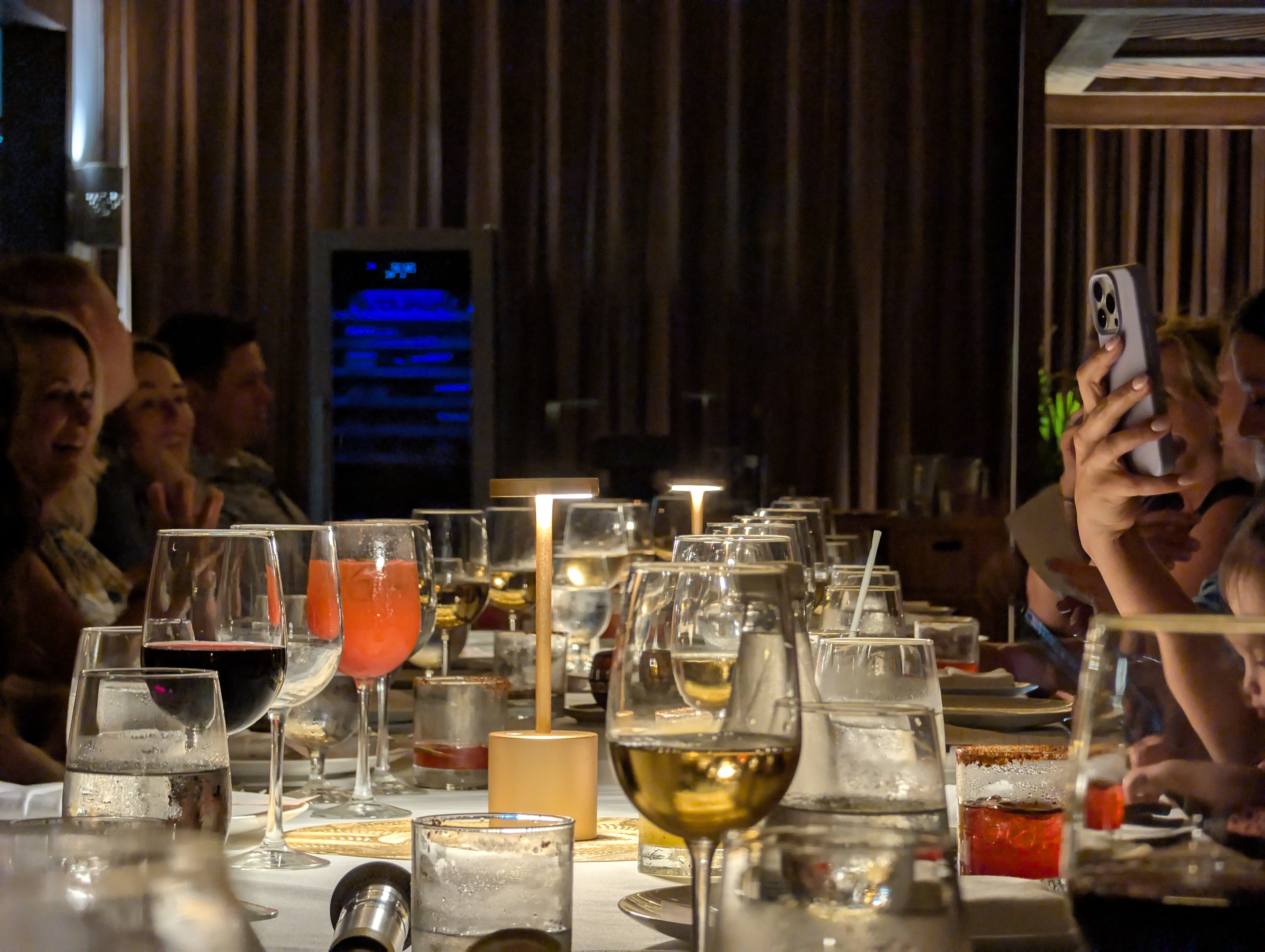
What Chile taught me first and most fundamentally is that wine is not a product but a conversation—a dialogue between the grape, the ground, the climate, the winemaker, and ultimately you, the person holding the glass. Before Chile, I understood wine the way most people do: as something that came in bottles with labels that indicated quality through price, something to be selected based on scores or recommendations or the advice of whatever employee happened to be working at the wine shop that day, consumed without much thought beyond whether it tasted "good" or "bad" in the most superficial sense. The entire framework was transactional—you paid money, you received a product, you consumed it, end of story. Living in a wine country, surrounded by vineyards in every direction, marrying into a family where wine appeared at every gathering as naturally as bread appeared on the table, fundamentally rewired that understanding in ways I couldn't have anticipated when I first landed in Santiago with two suitcases and a vague plan to figure things out as I went. My wife's family didn't approach wine with any pretension or ceremony—her grandmother would pour whatever was open into whatever glasses were clean, her uncles would debate which valley produced better Carmenere the way Americans argue about sports teams or political candidates, her aunts would pair wines with dishes based on intuitions built over decades of cooking and drinking, and slowly, through hundreds of these casual encounters that never announced themselves as educational but always were, I began to see each bottle not as a finished commodity but as the culmination of thousands of decisions made over years, each one reflecting someone's understanding of their land and their grapes and their vision of what wine could be. Where to plant the vines and how to orient the rows. How aggressively to prune and how many clusters to allow each plant to ripen. When to harvest—not just the date, but the hour, since sugar levels can change measurably between morning and afternoon. How long to let the juice ferment on the skins, how often to punch down the cap or pump over the juice, what temperature to maintain in the tanks. What vessels to age in and for how long. When to bottle and when to release. Every single one of these decisions, made by a specific person standing in a specific place at a specific time, accumulates into the liquid that eventually fills your glass. And once you see wine this way, as the physical manifestation of accumulated human intention filtered through natural circumstance, you can never go back to treating it as just another beverage to be selected based on price point and consumed without thought.
The science of winemaking is simultaneously simple enough for anyone to grasp in an afternoon and complex enough to occupy a lifetime of study, which is part of what makes it so endlessly fascinating to anyone who takes the time to look beneath the surface. At its core, wine is just fermented grape juice—yeasts, either wild ones that live on the grape skins and in the winery environment or cultivated strains selected for specific characteristics, consume the sugars in the grapes and produce alcohol and carbon dioxide as metabolic byproducts, transforming something sweet and ephemeral that would spoil within days into something that can age for decades and develop flavors that the original fruit never possessed and could never possess without this magical microbial intervention. The basic chemistry is straightforward enough that humans figured it out thousands of years ago, probably by accident when some forgotten ancestor left grape juice sitting too long and discovered that the resulting liquid had interesting effects. But within that simple framework—sugar plus yeast equals alcohol plus carbon dioxide—lies a universe of variables that determine everything about the character, quality, and longevity of the final product, variables that winemakers spend their entire careers learning to manipulate and that scientists are still working to fully understand. The grape variety itself is the starting point, each one carrying its own genetic potential for flavor compounds, tannin structure, acidity levels, aromatic precursors, and dozens of other characteristics that will express themselves differently depending on where the grape is grown, how it's farmed, and how the resulting wine is made. Carmenere, the grape I came to love most during my time in Chile and the one I still reach for more than any other when I want something that feels like coming home, carries pyrazines—the same class of compounds responsible for the smell of bell peppers and fresh-cut grass—that contribute its distinctive green, herbal, almost vegetal notes when the grape is underripe or grown in climates too cool to achieve full phenolic maturity. But when allowed to hang on the vine long enough to fully ripen in Chile's warm, dry climate, when those pyrazines are metabolized and replaced by the darker, richer flavor compounds that develop during extended hang time, Carmenere transforms into something entirely different—dark cherry and plum, black pepper and cocoa, dried herbs and tobacco, with silky tannins that coat the mouth without gripping it and a finish that seems to last forever, fading slowly through waves of fruit and spice and earth. The same grape planted in Bordeaux, where it originated before being wiped out by phylloxera in the nineteenth century and presumed extinct until its accidental rediscovery in Chilean vineyards in 1994, would never achieve this expression because the conditions simply aren't right—it's too cold, too wet, the growing season too short for the grape to reach the ripeness levels that unlock its full potential. The grape needs Chile the way certain ideas need certain times, the way certain people need certain places to become who they're meant to be; it found its home there, and the wines it produces are something that simply cannot exist anywhere else on earth, a unique expression of the relationship between this particular variety and this particular terroir that no amount of money or technology can replicate in regions where the fundamental conditions don't align.
But the grape is only the beginning of the conversation, the raw material from which wine is made but not yet the wine itself. What happens in the winery after harvest represents another layer of decisions that shape the final product, each choice a statement of philosophy and intent that accumulates with all the other choices to create something that reflects not just the vineyard but the vision of the person making the wine. Fermentation temperature affects which aromatic compounds develop and how the tannins integrate into the final wine—warmer fermentations, typically in the range of 80-90 degrees Fahrenheit for red wines, extract more color and structure from the grape skins and can produce wines of impressive concentration and power, but they also risk blowing off the delicate volatile aromatic compounds that contribute complexity and interest, leaving wines that are technically impressive but somehow one-dimensional, all muscle and no finesse. Cooler fermentations preserve more of those aromatic compounds and tend to produce wines with brighter fruit character and more elegance, but they may not achieve the same depth of color and structure, may leave the tannins feeling less integrated, may produce wines that seem lighter and less serious even when made from excellent fruit. The length of maceration—how long the juice stays in contact with the grape skins after fermentation is complete—determines tannin levels, color stability, and the extraction of flavor compounds that live in the skins rather than the juice, a variable that winemakers manipulate based on their assessment of the particular vintage, the particular vineyard, and the particular wine they're trying to create. Some winemakers punch down the cap of skins that floats on top of the fermenting juice multiple times a day, an aggressive approach that extracts maximum flavor and structure and was traditionally done by workers literally climbing into the fermentation vessels and stomping on the floating mass; others prefer pump-overs, where juice is drawn from the bottom of the tank and sprayed over the cap to keep it moist and extract gently; still others opt for submerged cap fermentation, where the skins are held below the surface by a physical barrier, extracting slowly and evenly without any manual intervention. Each approach produces different results, and the choice reflects the winemaker's intentions for the final wine—their understanding of what their particular grapes need, their stylistic preferences, their target market, their philosophy about intervention versus letting the wine make itself.
The choice of aging vessel adds another layer of complexity to this already complex equation, another set of decisions that will fundamentally shape the character of the finished wine. Stainless steel tanks preserve fresh fruit character and prevent any external flavors from entering the wine, making them ideal for wines meant to be drunk young and appreciated for their purity and primary fruit character, but they also don't allow the micro-oxygenation that helps tannins soften and integrate over time, which is why most serious red wines destined for aging see at least some time in oak. Neutral oak barrels—barrels that have been used enough times that they no longer contribute significant flavor to the wine but still allow small amounts of oxygen to penetrate through the wood—provide that gentle oxygenation without adding the vanilla, spice, and toast flavors that new oak contributes, a choice that lets the fruit and terroir express themselves more purely while still allowing the wine to develop and integrate. New French oak barrels, which can cost over a thousand dollars each and are typically used for their flavor contribution only two or three times before being retired to neutral status, contribute the vanilla and baking spice and toast flavors that many wine drinkers have come to associate with "serious" wine, along with additional tannins from the wood itself that can either complement or overwhelm the wine's natural structure depending on how judiciously they're used. New American oak offers a different flavor profile—more coconut and dill, bolder and more obvious, a character that some winemakers embrace and others avoid depending on their stylistic goals. Concrete eggs have become fashionable in recent years for their ability to add texture and allow micro-oxygenation without contributing any flavor of their own, while clay amphorae represent a return to the ancient methods that produced wine for millennia before oak barrels became standard, imparting a distinctive character that advocates describe as pure and traditional and skeptics describe as oxidized and funky. Each vessel choice reflects a philosophy, a vision of what the wine should be, and the finished product carries the signature of that choice alongside all the other choices that preceded it.
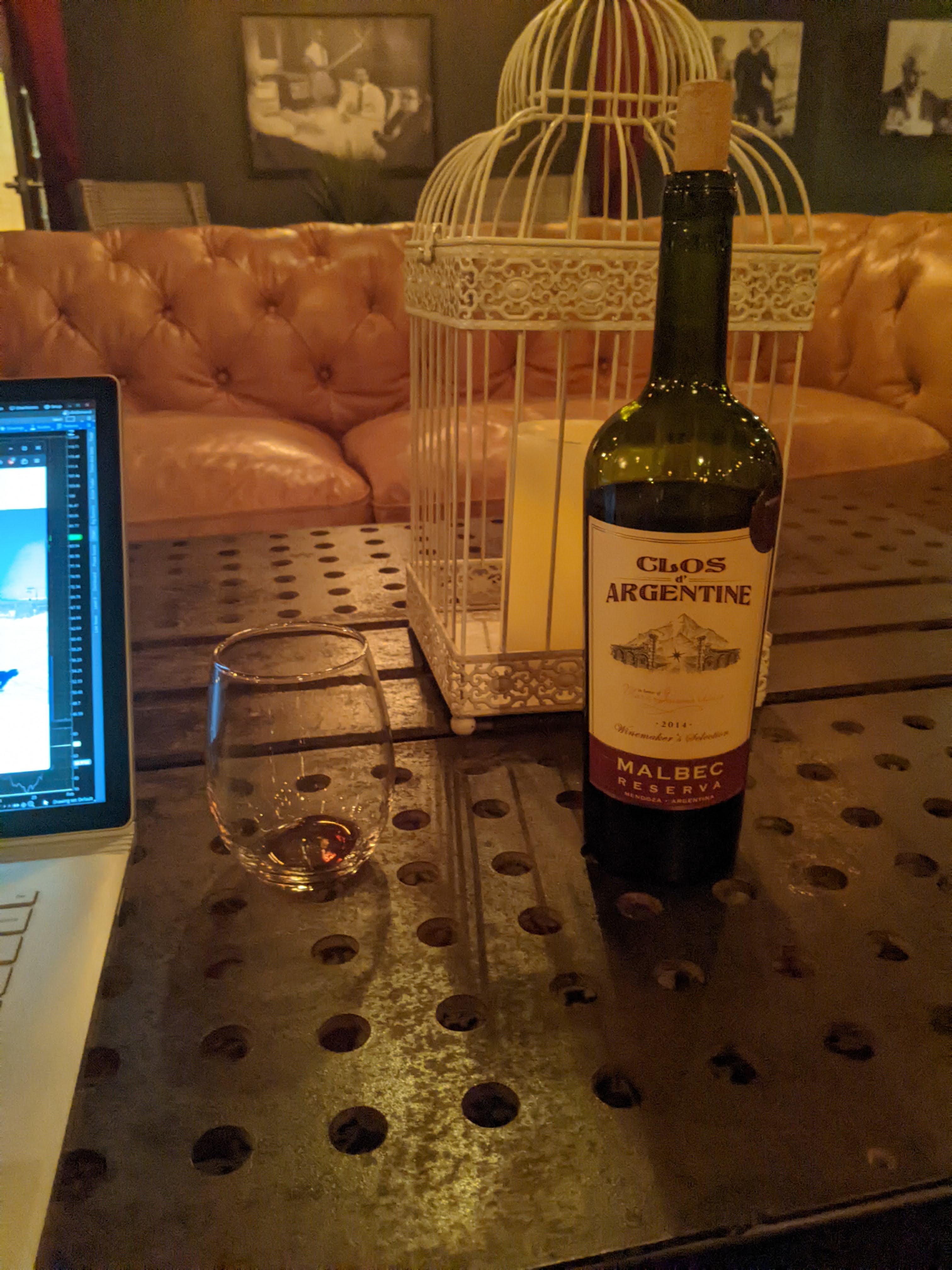
And then there's the decision of how long to age before bottling, how long to age in bottle before release, whether to filter or fine the wine to remove particles and proteins that might cause haziness or off-flavors, whether to add sulfites at bottling to protect against oxidation and microbial spoilage, whether to blend with other varieties to add complexity and balance or bottle as a single varietal expression that showcases what one grape can achieve in one place. Every single one of these decisions reflects the winemaker's understanding of their grapes, their terroir, their market, their own aesthetic preferences, and their vision of what the wine should become when it finally reaches the glass of whoever opens it. A wine is not found, growing naturally somewhere waiting to be discovered; it is made, through an accumulation of choices that transform raw material into something that can move you to tears, that can transport you to a specific place and time with a single sip, that can unlock memories you didn't know you had or create new ones that will stay with you for the rest of your life. This is what I began to understand sitting at that table in Pichidegua, not consciously at first but gradually, as glass after glass and bottle after bottle and conversation after conversation revealed the depth of what had seemed so simple, as I began to see that the five-dollar wine in my hand was not just a commodity but a document, a record of everything that had happened to bring it into existence, a story waiting to be read by anyone who cared enough to pay attention.
Terroir is the French word that captures the essence of what makes wine so irreducibly tied to place, and it's a concept I only truly understood after spending years driving through Chile's wine regions, seeing the differences in soil and exposition and climate that exist sometimes within a few hundred meters of each other, and tasting how those differences express themselves in the glass with a specificity that seems almost magical until you understand the science behind it. Terroir encompasses everything about a vineyard's environment—the soil composition and drainage, whether you're standing on granite or limestone or clay or volcanic ash, how deep the roots can penetrate and what minerals they encounter on the way down. The elevation and slope, which affect both temperature and drainage, determining how much heat accumulates during the day, how quickly it dissipates at night, whether excess water runs off or pools around the roots. The orientation to the sun, whether the vines face north or south (reversed in the southern hemisphere), whether they catch the morning light or the afternoon light, how many hours of direct sunshine they receive during the growing season. The temperature variations between day and night, what viticulturalists call diurnal temperature variation, which affects how the grapes develop their chemistry—warm days promote sugar accumulation and ripeness, cool nights preserve acidity and prevent the grapes from becoming overripe and flabby. The proximity to bodies of water that moderate extreme temperatures, whether an ocean current like the cold Humboldt that runs up Chile's coast or a river or lake that absorbs heat during the day and releases it at night. The wind patterns that affect vine stress and disease pressure, drying out wet leaves to prevent fungal infections, buffeting the vines enough to concentrate their energy on fewer clusters but not so much that they can't function. Even the indigenous yeasts and bacteria that colonize the grape skins and live in the winery environment, microscopic communities that vary from place to place and contribute their own signatures to the fermentation process. All of these factors combine to create conditions that are unique to each site, that cannot be replicated elsewhere no matter how much money or technology you throw at the problem, that make a wine from one vineyard taste fundamentally different from a wine from another vineyard even when the grapes are the same and the winemaking is identical.
It's the reason why a Pinot Noir from Burgundy tastes fundamentally different from one grown in Oregon or New Zealand or Sonoma, even when planted with the same clone, farmed with the same practices, and vinified using identical techniques in identical equipment by winemakers trained in the same schools and following the same protocols. The grapes know where they're growing, and they express that knowledge in ways that science can measure but not fully explain, that winemakers can observe and respond to but not completely control. In Chile, the terroir conversation centers on the dramatic geography that makes the country so uniquely suited to viticulture, geography that creates a diversity of growing conditions within a relatively small area that would require traveling thousands of miles to replicate in other wine-producing countries. The Andes mountains rise along the eastern border, their massive peaks catching moisture from Pacific weather systems and creating rain shadows that keep the valleys dry during the growing season, their glaciers and snowpack providing irrigation water that flows down through the valleys in rivers and streams that winemakers can tap precisely when and where they need it. The cold Humboldt Current runs up the coast from Antarctica, chilling the Pacific waters to temperatures that seem almost absurd for a country at these latitudes, bringing fog and cool marine air into the coastal valleys every morning and keeping temperatures moderate even in the heat of summer. The dramatic diurnal temperature variation—twenty degrees Celsius or more between afternoon and night in many regions—allows grapes to ripen fully during warm days while preserving the acidity and freshness that cool nights provide, creating wines that combine power and elegance in ways that warmer regions struggle to achieve. These factors create conditions that are practically perfect for viticulture: warm enough days to fully ripen grapes to whatever sugar level you're targeting, cool enough nights to preserve the acidity and aromatic compounds that give wines freshness and longevity, dry enough conditions to minimize disease pressure and allow organic and biodynamic farming without the heroic interventions required in wetter climates, while irrigation from Andean snowmelt provides precisely controlled water that allows growers to stress their vines exactly as much as they want exactly when they want. It's a viticultural paradise that produces wines of remarkable quality at price points that seem almost unfair when compared to similarly excellent bottles from more famous regions, and it's why I tell everyone who asks me about wine to start their education in Chile, where you can explore the entire range of what wine can be without mortgaging your house to finance the journey.
The Colchagua Valley, where my wife's family is from, sits about two hours south of Santiago and has become one of Chile's most celebrated wine regions, its warm climate and rolling hills producing some of the country's most powerful and expressive red wines, wines of concentration and intensity that can stand alongside the best that Napa or Bordeaux or the Rhone have to offer while costing a fraction of what comparable quality would demand from those more famous addresses. Pichidegua itself is a small agricultural town where vineyards share space with orchards and farms, where tractors share the roads with horse-drawn carts and everyone waves at everyone else because in a town that size there are no strangers, the kind of place where wine is simply part of daily life rather than something special or exotic, where the corner store sells local bottles for a few dollars alongside the milk and bread and eggs, where the old men gathered in the plaza have been drinking wine with lunch since they were children and will continue until they die because that's simply how things are done. Driving through Colchagua, you see the Andes rising to the east, snow-capped even in summer, and the coast ranges to the west, and between them these rolling hills covered in vines, the soil changing color as you drive from the red clay of one area to the granite decomposition of another, each change reflected in the wines that emerge from the cellars scattered throughout the valley. The Apalta area within Colchagua has become particularly famous, a natural amphitheater of slopes facing various directions, each one producing wines of slightly different character, collectively establishing themselves as some of Chile's most prestigious and expensive, though even "expensive" here means something very different than it would in Burgundy or Napa. Further north, the Maipo Valley sits just south of Santiago and has been producing wine since the Spanish colonial period, its gravelly alluvial soils washed down from the Andes over millennia creating ideal conditions for Cabernet Sauvignon, yielding wines of power and structure that can rival the best of Napa or Bordeaux and that age for decades, developing complexity and nuance that reveal themselves slowly over years. The Alto Maipo subregion, at higher elevations where the temperatures are cooler and the growing season is longer, produces particularly elegant Cabernets, wines that combine the concentration you expect from Chile with a freshness and finesse that elevations bring to wine no matter where in the world you're growing. The Casablanca Valley, closer to the Pacific coast, stays cooler throughout the growing season than the inland valleys, the morning fogs rolling in from the ocean and burning off by midday, creating conditions that favor white varieties and cool-climate reds—Chardonnay and Sauvignon Blanc that carry mineral tension and acidity rarely found in warmer climates, Pinot Noir that shows the elegance and transparency that this finicky grape demands and that disappears when it gets too warm. And then there's the Millahue Valley, a relatively recent discovery that's home to VIK and represents the cutting edge of Chilean terroir exploration—a site selected after years of scientific analysis, soil samples and climate modeling and everything modern viticulture can bring to bear, specifically for its combination of ancient decomposed granite soils, protected microclimate, and the perfect balance of warmth and cooling influences that allows grapes to achieve optimal ripeness while retaining the freshness and complexity that so many powerful wines lack. Each of these regions, and the dozens of sub-regions and individual vineyard sites within them, offers a different conversation with the land, a different expression of what grape and place can achieve together, a different answer to the question of what wine can be when the conditions are right and the people making it care enough to listen to what the land is telling them.

What living in Chile ultimately taught me about wine is that the $1,000 bottle and the $10 bottle exist on a continuum where the relationship between price and quality is real but dramatically non-linear, where the returns diminish so rapidly as you climb the price ladder that anyone not concerned with status signaling or collector bragging rights should focus their attention and their money at the value-oriented end of the spectrum. The differences between a cheap industrial wine—grapes machine-harvested from high-yielding vines, fermented quickly in massive tanks, processed and filtered and adjusted to hit a target flavor profile, bottled and shipped with minimal aging—and a carefully crafted bottle from a quality-conscious producer are significant and absolutely worth paying for. You're getting fruit from better vineyard sites, vines that are farmed more attentively, harvested more selectively, fermented more carefully. You're getting more time in better oak, more attention at every stage of the process, more of the accumulated knowledge and judgment that distinguish wines made by people who care from wines made by corporations trying to hit a price point. These differences show up in the glass—the cheap wine tastes simple and one-dimensional, obvious in its fruit and harsh in its finish, while the quality wine offers complexity and nuance, layers of flavor that reveal themselves over the course of an evening as the wine opens up in the glass and interacts with whatever food you're serving. But as you move up the price scale, the incremental improvements become smaller and smaller relative to the exponential increases in price, until you reach a point where you're paying for prestige rather than quality, for scarcity rather than excellence, for the ability to tell your friends what you drank rather than for any meaningful improvement in what's actually in your glass.
The jump from a $10 wine to a $25 wine represents an enormous leap in quality—you're moving from mass-produced commodity wine made to a price point to something that was actually crafted with intention, something where the winemaker had the budget and the ambition to do things properly, to source good fruit and handle it carefully and give it time to become what it could become. This is where the returns on your investment are highest, where each additional dollar buys meaningful improvement in what you're drinking, where the difference between the cheap option and the better option is immediately obvious to anyone paying attention. The jump from $25 to $50 offers further meaningful improvement—more complexity, better integration, finer tannins, longer finish, wines that can age rather than just being drunk young, wines that reward attention and pair beautifully with food and develop in the glass over the course of an evening. This is still territory where your money is buying quality rather than prestige, where the premium you're paying reflects real differences in production costs and real improvements in what you're drinking. But the jump from $50 to $100, or from $100 to $500, or from $500 to $2,000, offers progressively smaller improvements that become less about objective quality—to the extent that such a thing exists with wine—and more about prestige, scarcity, critical scores, collector demand, and the economics of luxury goods. You're paying for famous names, for limited production runs, for 100-point ratings from influential critics, for the ability to say you've drunk something rare and exclusive and expensive. You're paying for the label on the bottle as much as you're paying for the liquid inside it, for what the wine represents rather than what it is. There's nothing wrong with that if you have the means and that's what brings you pleasure—wine is ultimately about enjoyment, and if drinking famous bottles from legendary estates makes you happy, by all means pursue that happiness. But the honest truth, the truth that the wine industry would prefer you not think about too carefully, is that the best value in wine exists in that $20-35 range where excellent producers are competing fiercely for quality-conscious consumers who won't be fooled by labels and marketing, who actually taste what they're drinking and make decisions based on what's in the glass rather than what's on the bottle. At $25, you can drink wines that would have been unimaginable at that price point a generation ago—wines made with the same care and technique and ambition that drive the most expensive bottles, just without the brand premium and artificial scarcity and speculation that inflate prices at the high end. This is where I spend most of my wine budget, and it's where I encourage anyone who wants to actually learn about wine to focus their attention, because this is where your education will proceed fastest and your money will stretch furthest, where each bottle teaches you something without requiring you to take out a second mortgage.
The passion that drives winemaking is something I saw over and over during my years in Chile—this peculiar dedication that makes people devote their lives to coaxing the best possible expression from their vineyards, knowing they'll never achieve perfection, knowing each vintage brings new challenges and opportunities, knowing the work never really ends because nature keeps evolving and the pursuit of excellence is asymptotic, approaching but never reaching the ideal that exists in the winemaker's imagination. I remember visiting a small family winery in the Maule Valley—a friend of my wife's uncle who had heard the American son-in-law was getting interested in wine and invited us out to see the operation, the kind of connection that happens naturally in Chile where everyone knows everyone and hospitality is a cultural imperative rather than a business strategy. The grandfather had planted the original vines in the 1960s, following traditional methods he'd learned from his own father, dry-farming old varieties that nobody planted anymore because they didn't yield enough to be commercially viable but that produced wines of character and depth that modern high-yielding clones couldn't match. The father had modernized the cellar in the 1990s, investing in temperature-controlled fermentation tanks and proper barrel storage, professionalizing the operation while trying to maintain the quality that had always set their wines apart from the industrial production that dominated the Chilean market. And the son—about my age at the time, with a degree in enology from the University of Chile and a harvest internship in Burgundy on his resume—was now experimenting with organic and biodynamic practices, trying to understand what the land could produce without synthetic fertilizers and pesticides, pushing in directions his father and grandfather couldn't have imagined but somehow still honoring what they had built. Three generations of accumulated knowledge, each building on what came before while pushing in new directions, all focused on this one patch of earth and the wines it could yield. The son walked me through the vineyard row by row, explaining how different sections had different soil compositions—more clay here, more sand there, a seam of limestone running through the middle that he was particularly excited about—and how he was learning to vinify each section separately before blending to capture the full complexity of the site, to understand what each piece of his family's land could contribute to the whole. He spoke about his vines the way other people speak about their children, with a combination of pride in what they'd already accomplished, worry about the challenges they faced, hope for what they might become, and endless fascination with the mystery of how they grew and changed and responded to his care. This isn't a job or even a career in the way we usually understand those terms; it's a calling, a way of life that integrates work and passion and place into something inseparable from identity itself. And you can taste that dedication in the wines, that extra degree of care and attention and intention that distinguishes wines made by people who actually give a damn from wines made by corporations optimizing for shareholder returns, wines made by people for whom the wine itself is the point rather than a means to some financial end.
The varietals I came to love in Chile reflect both the country's unique terroir and my own palate development over those seven formative years, the gradual education that transformed me from someone who drank wine into someone who understood wine, or at least understood enough to appreciate how much more there was to learn. Carmenere remains my first love, that lost Bordeaux variety that found its true home in Chilean soil, producing wines of remarkable depth and complexity when made by skilled hands from properly ripened fruit. The story of Carmenere's rediscovery is one of wine's great modern narratives—a grape that was part of the original Bordeaux blend, planted throughout the region before the phylloxera epidemic of the nineteenth century, presumed extinct for over a hundred years until a French ampelographer visiting Chile in 1994 noticed that some of what Chileans had been calling Merlot wasn't actually Merlot at all, the leaves were the wrong shape and the grapes ripened at the wrong time, and DNA testing confirmed that this was Carmenere, surviving in Chilean vineyards because the cuttings had been brought over before phylloxera arrived and Chile's natural barriers—the Andes, the Pacific, the Atacama desert—had protected the country from the pest that devastated European viticulture. The best Carmenere combines the dark fruit intensity of Merlot with the herbal complexity of Cabernet Franc and the spicy warmth of Syrah, all integrated with tannins that somehow manage to be both substantial and silky, gripping enough to structure the wine and allow it to age but smooth enough to drink with pleasure even when young. It's a grape that rewards patience—underripe Carmenere shows too much green bell pepper character, that pyrazine note that made so many early Chilean Carmeneres off-putting to international palates, and overripe Carmenere becomes jammy and hot, the alcohol taking over where the fruit should be. But when harvested at precisely the right moment, when the pyrazines have been metabolized but the fruit hasn't started to desiccate, when the tannins are ripe but the acid hasn't collapsed, Carmenere produces wines unlike anything else in the world—a unique expression of this variety in this place that simply cannot be replicated anywhere the conditions aren't right. Chilean Cabernet Sauvignon also became a regular in my rotation, particularly the examples from the Alto Maipo subregion where elevation brings freshness to the rich cassis and blackcurrant fruit, adding a lift and energy that lower-elevation Cabernets often lack, and from Colchagua's Apalta Valley where the wines achieve a level of concentration and structure that can age beautifully for decades, developing the secondary and tertiary characters—leather and tobacco, earth and dried herbs—that make old Cabernet so compelling. And for white wines, Chilean Sauvignon Blanc from the cool coastal valleys taught me that this variety could be so much more than the simple, grassy, aggressive wines I'd encountered before—in the right hands and the right terroir, it shows a mineral elegance and citrus purity that makes it one of the world's great food wines, a perfect counterpoint to ceviche and fresh seafood, capable of complexity and aging potential that most New World Sauvignon Blancs never approach.
The flavor profiles that distinguish great wines from merely good ones are worth understanding because they represent the accumulated knowledge of centuries of winemaking tradition refined through modern science, patterns that your palate can learn to recognize with practice and that will forever change how you experience wine once you start paying attention to them. Tannins—the compounds extracted from grape skins, seeds, and stems that create that drying, gripping sensation on your palate when you drink young red wine—are the backbone of red wine's ability to age and develop complexity over time. Chemically, they're polyphenolic compounds, chains of molecules that interact with the proteins in your saliva and create that distinctive astringent feeling. Young tannins tend to be short-chain polymers, small and aggressive, binding aggressively to proteins and creating that harsh, mouth-coating sensation that makes young Cabernet or Nebbiolo or Tannat so challenging to drink. But with proper winemaking and sufficient bottle age, these short-chain tannins polymerize into longer chains that feel softer and more integrated, that coat the mouth without gripping it, that provide structure without aggression, allowing the wine's other elements—fruit, acid, aromatics—to express themselves more clearly against a background of resolved, silky tannin. This is why serious red wines benefit from aging, why that young Barolo that tastes like chewing on tree bark will become ethereal and beautiful after twenty years in the cellar—the tannins are softening, integrating, getting out of the way so that the wine's true character can emerge. Acidity provides freshness and makes wine food-friendly, the bright lift that cuts through rich dishes and refreshes the palate between bites, the backbone that keeps wines from tasting flabby and dull and one-dimensional. Without sufficient acid, wines seem to collapse in the mouth, heavy and flat, unable to stand up to food or hold your interest through a glass; with too much acid, wines taste sharp and aggressive, sour rather than bright, unpleasant to drink. The balance between fruit, tannin, acidity, and alcohol is what separates elegant wines from clumsy ones—when all the elements are in harmony, when no single component sticks out or overwhelms the others, you don't consciously notice any individual element, you just experience the wine as a unified whole, a single thing rather than a collection of parts, something that seems to exist naturally rather than having been assembled from components. And then there are the hundreds of aromatic and flavor compounds that create the specific taste profile of each wine—the esters that contribute berry fruits and stone fruits and tropical fruits, the terpenes responsible for floral notes and citrus character, the pyrazines that show up as green bell pepper and herbs, the rotundone that creates the black pepper notes in Syrah and Grüner Veltliner, the volatile phenols that contribute spice and smoke, the sulfur compounds that can be either desirable (the gunflint minerality of Chablis) or faults (the rotten egg smell of hydrogen sulfide), the oak-derived flavors of vanilla and toast and coconut that come from barrel aging. Learning to identify and appreciate these compounds takes time and practice, requires paying attention to what you're tasting rather than just whether you like it, building a vocabulary and a memory bank of references that let you describe what you're experiencing and connect it to what you've experienced before. But even a beginner can start this process, can start asking what does this smell like, what flavors am I getting, how does this feel in my mouth, how does it finish, does it remind me of anything—and that shift in attention from passive consumption to active analysis is the beginning of a much richer relationship with wine, the first step on a journey that never really ends.
The ritual of wine—the decanting, the proper glassware, the appropriate serving temperature, the food pairings that generations of sommeliers and home cooks have refined through trial and error—can seem pretentious to outsiders, and honestly some of it is more performative than functional, more about signaling sophistication than actually improving the wine-drinking experience. What I loved about drinking wine with my wife's family was how unpretentious it all was—the grandmother pouring into whatever glasses were clean, mismatched vessels that had accumulated over decades, nobody worrying about whether the bottle had breathed long enough or whether the serving temperature was precisely optimal, the wine simply there as part of the meal rather than the centerpiece of some elaborate ceremony requiring specialized knowledge to participate in. They had been drinking wine their entire lives, their parents had drunk wine their entire lives, their grandparents had drunk wine their entire lives, and that accumulation of casual experience had taught them everything they needed to know about how to enjoy it without anyone ever sitting them down for a formal education. But the core practices do exist for reasons that genuinely affect how the wine presents itself, practical considerations that winemakers and sommeliers have worked out over generations and that actually make a difference if you care enough to pay attention to them. Serving a full-bodied red too warm—room temperature in modern climate-controlled environments can mean 75 degrees or higher—makes the alcohol poke out unpleasantly, creates a sensation of heat and harshness that overwhelms the fruit and makes the wine seem unbalanced and aggressive. Serving it too cold mutes the aromatics, keeps all those volatile compounds from volatilizing and reaching your nose where they can actually be perceived, and makes the tannins seem harsher than they actually are, creating a wine that seems closed-off and tannic when it would seem open and welcoming at the right temperature. Decanting young, tannic wines exposes them to oxygen, which softens their structure and opens up their bouquet—the same chemical reactions that happen over years of bottle aging, the polymerization of tannins and the development of aromatic complexity, can be jumpstarted in an hour of decanting, giving you a preview of what the wine might become with patience while making it more pleasant to drink right now. Using glasses with larger bowls for aromatic red wines concentrates those volatile compounds and directs them toward your nose, while narrower profiles for whites and sparkling wines preserve the cooler serving temperatures these wines require and prevent the more delicate aromatics from dissipating too quickly. These aren't arbitrary rules invented to make wine intimidating, to create barriers that exclude people who haven't been properly initiated; they're practical techniques that actually improve the experience, that help wines show their best rather than hiding their potential behind poor service conditions. You don't need to obsess over every detail—and watching Chilean families enjoy wine without any fuss taught me that the experience matters more than the execution, that good company and good food and a relaxed attitude will carry you further than perfect stemware and precisely calibrated serving temperatures—but understanding the reasoning behind the rituals helps you appreciate what you're drinking and make simple adjustments that meaningfully improve your experience when you want to pay closer attention.
What I find most compelling about wine as an object of passion is how it rewards both intellectual engagement and pure sensory pleasure, how you can approach it from either direction and find satisfaction, how the two approaches eventually merge into something that transcends either one alone. You can spend a lifetime studying the biochemistry of fermentation, learning exactly which enzymatic reactions convert sugar to alcohol and which byproducts are created along the way, understanding how malolactic fermentation transforms sharp malic acid into softer lactic acid and contributes the buttery notes you taste in certain white wines. You can dive into the geology of famous vineyard sites, learning to distinguish limestone from chalk from granite from volcanic soils, understanding how each one affects drainage and mineral availability and root development, how these differences translate into measurable chemical differences in the grapes and perceptible flavor differences in the wines. You can trace the history of grape varieties through centuries of cultivation and mutation and selection, understanding how Pinot Noir gave rise to Pinot Gris and Pinot Blanc through random mutations that winemakers noticed and propagated, how Cabernet Sauvignon emerged from a chance crossing of Cabernet Franc and Sauvignon Blanc in seventeenth-century Bordeaux. You can study the philosophy and techniques of different winemaking traditions, the Germanic pursuit of purity and varietal expression versus the French belief in terroir and blending, the New World embrace of technology and consistency versus the Old World suspicion of intervention and celebration of vintage variation. You can do all of this, can fill your head with facts and theories and technical knowledge, and still have more to learn, still encounter wines that surprise you and challenge what you thought you knew. Or you can simply open a bottle, pour a glass, and enjoy the immediate pleasure of drinking something beautiful without knowing anything about how it was made or why it tastes the way it does, without any vocabulary to describe what you're experiencing or any framework to analyze it, just the pure sensory enjoyment of something delicious in your mouth and the warmth that spreads through you as the alcohol enters your bloodstream. Both approaches are valid, both are legitimate ways to engage with wine, and the best wine experiences somehow integrate both—the intellectual understanding enriching the sensory experience by giving you frameworks to interpret what you're tasting and vocabulary to articulate it, while the sensory experience grounds the intellectual understanding in something real and tangible and immediate, prevents it from becoming merely abstract knowledge divorced from the actual pleasure that wine exists to provide. Wine connects you to place and time in ways that few other consumables can; every glass is an artifact of a specific vintage, a specific vineyard, a specific set of decisions made by specific people, a document of what happened in that place during that year that you can read with your senses decades after the grapes were picked. Opening a bottle of Chilean Carmenere now transports me back to that grandmother's kitchen in Pichidegua, to Sunday lunches that stretched into evening as more relatives arrived and more bottles were opened, to the slow process of becoming part of a family and a culture through the simple act of sharing meals and wine together, to learning that I was welcome there, that I belonged, that I had found something I didn't know I was looking for. The memories are encoded in the taste, waiting to be unlocked each time I pour.
My wine journey that began with that five-dollar bottle at my wife's grandmother's table has led me across dozens of regions, hundreds of producers, thousands of bottles, and I'm still very much a student of the craft, still encountering wines that surprise me, still learning things I didn't know and revising opinions I thought were settled. I've developed preferences—that gravity toward Carmenere that will probably never leave me, an appreciation for the structured elegance of Alto Maipo Cabernet that combines power with finesse in ways I find endlessly compelling, a soft spot for aged Riesling's petroleum and honey complexity that I didn't understand at first but now seek out, a respect for the great wines of Burgundy and Barolo that represent the heights of what wine can achieve even if I can rarely afford to drink them. But I try to stay curious, to keep exploring regions and varieties outside my comfort zone, to approach each new bottle as an opportunity to learn something I didn't know before rather than a confirmation of what I already believe. Wine has taught me patience, because the best bottles often need time to reveal themselves, need years or decades in the cellar before they become what they're capable of becoming, and the best wine regions were built over generations by people who planted vines they would never see mature, who made investments in quality whose returns would be collected by their grandchildren. It has taught me attention, because actually tasting wine rather than just drinking it requires a kind of focused presence that spills over into other areas of life, a willingness to slow down and pay attention to subtle differences and shifting perceptions that enriches everything you encounter once you cultivate it. It has taught me humility, because no matter how much you think you know, you'll encounter a bottle that challenges your assumptions and reminds you how much you have left to learn, a wine that violates your expectations and forces you to expand your understanding of what's possible. And it has taught me gratitude, for the generations of winemakers who refined their craft so that we can enjoy the fruits of their labor, for the land that yields its gifts to those who tend it carefully, for the simple miracle of fermentation that transforms perishable grapes into something that can bring joy for decades after harvest. Most of all, it taught me that the best wine experiences aren't about price or prestige—they're about the people you share them with, the conversations that unfold over a bottle, the way a simple glass can turn an ordinary evening into a memory you carry for the rest of your life. That grandmother in Pichidegua understood this without ever reading a wine book or taking a tasting course; she knew that wine was about gathering people together, about making them feel welcome, about creating the conditions for connection and warmth and joy. Everything else I've learned about wine—the science, the history, the techniques, the vocabulary—has really been an elaboration of what she demonstrated simply by opening a bottle and pouring.
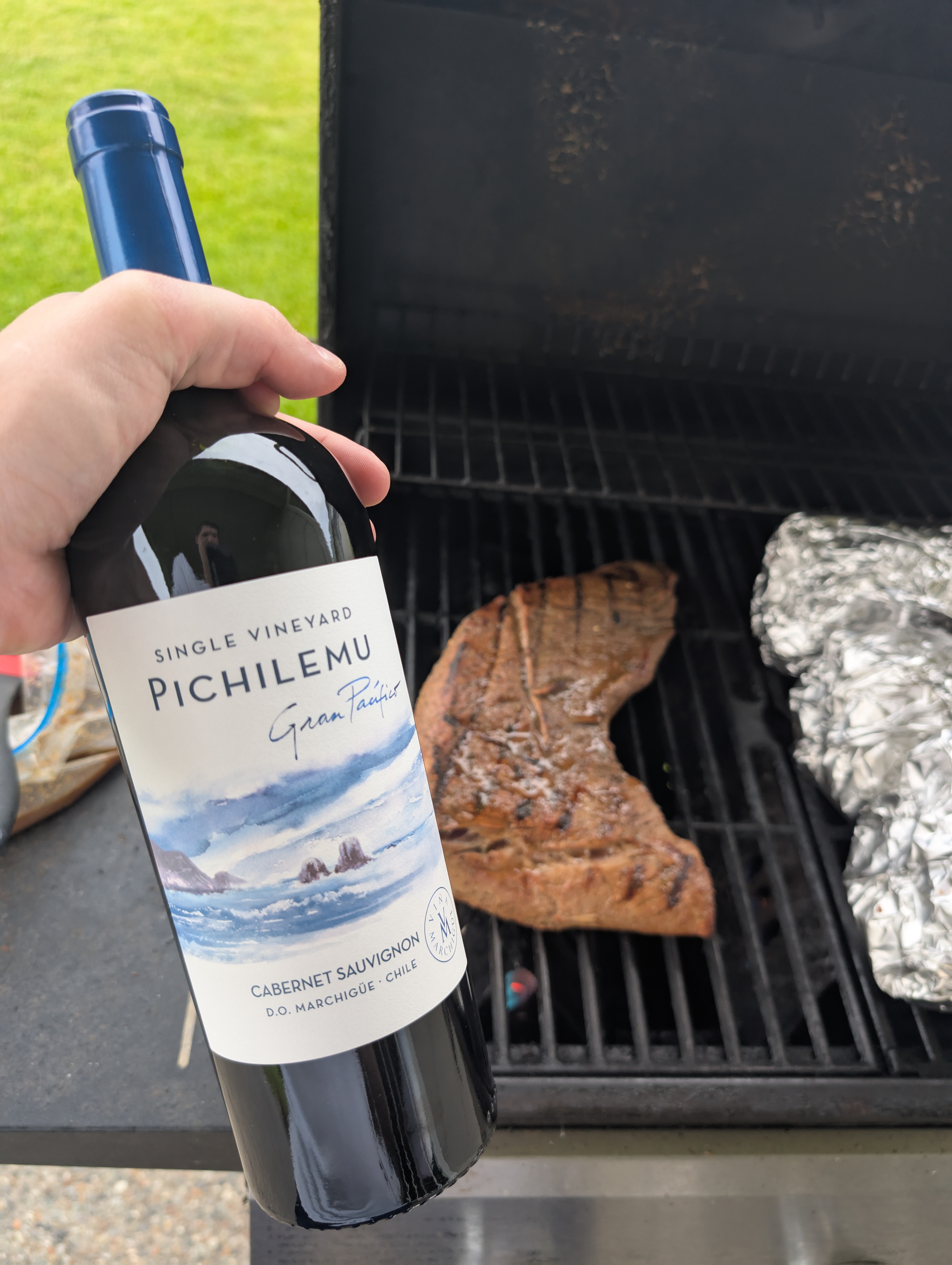
The economics of wine—why some bottles cost what they do, where value exists in the market, how to find excellent wines without paying prestige premiums—is a topic that deserves honest treatment because so much of wine marketing is designed to obscure rather than illuminate, to create confusion that benefits sellers at the expense of buyers, to make people feel inadequate and uncertain so they'll defer to authority and pay whatever price is asked. Production costs are real: excellent vineyard sites cost more to acquire and maintain because there are only so many places in the world where conditions align to produce exceptional grapes, and the competition for those sites among wealthy investors and established producers drives prices ever higher. Lower yields—fewer grape clusters per vine, less juice per acre—mean less wine to sell, spreading fixed costs across fewer bottles and requiring higher per-bottle prices to achieve the same profitability. Hand harvesting, which allows workers to select only the ripest clusters and leave behind anything damaged or underripe, requires far more labor than machine picking, which treats every grape the same regardless of condition. New French oak barrels run over a thousand dollars each and are typically only used for their flavor contribution two or three times before being retired to neutral status or sold off for other uses like whiskey aging. Extended aging ties up capital and warehouse space for years before the wine can be sold, requiring producers to finance their inventory at significant cost and delay the revenue that keeps their operations running. These costs accumulate, and they explain much of the price difference between mass-market wines produced efficiently at scale and premium bottles crafted with attention and care from exceptional raw materials. But beyond a certain point—and that point is lower than most people realize, lower than the wine industry wants you to think—the price premium shifts from reflecting production costs to reflecting brand value, critical scores, allocation lists, collector demand, and the peculiar economics of luxury goods where high prices are features rather than bugs, signals of exclusivity and status that justify themselves through the circular logic of prestige. The secondary market for rare wines operates like the art market, where prices reflect what wealthy collectors are willing to pay for bragging rights and speculation rather than any objective measure of liquid quality, where bottles change hands for tens of thousands of dollars based on reputation and scarcity rather than any possible drinking experience that could justify such expenditure. A $500 bottle of Burgundy isn't fifty times better than a $10 bottle; it might be twice as good, subjectively speaking, and even that's generous. The honest value proposition for wine enthusiasts who want to drink well without going broke is to focus on regions and producers who offer quality that outperforms their price point—and Chile, for all its improvement in international recognition over the decades I've been drinking its wines, remains one of the world's great value plays for serious wine drinkers, a place where $20 buys what $60 would buy from Napa and $150 would buy from Bordeaux, where you can explore and learn and drink beautifully without ever feeling that you're compromising or settling for less than you deserve.
I think about wine differently now than I did when I landed in Santiago in my early twenties, but more importantly, I think about craft and passion and place differently because of what wine taught me during those seven years that shaped me more than I realized at the time. Every glass is the product of decisions made by people who cared enough to make them well, using materials that carry the signature of specific locations and specific conditions, employing techniques refined over centuries and still being improved today by people who refuse to accept that what exists is good enough when something better might be possible. It's a reminder that the things worth doing are worth doing carefully, that excellence is a practice rather than an achievement, that the best results come from the patient accumulation of small choices made well over time rather than from shortcuts or hacks or efforts to game the system. When I open a bottle of Chilean Carmenere now, I'm not just drinking fermented grape juice; I'm participating in a tradition that connects me to a place I lived and loved, to a family that welcomed me into their home and their culture and treated me as one of their own before I had done anything to deserve it, to a history of cultivation and craft that extends back thousands of years and continues to evolve with each vintage as new winemakers build on what their predecessors created. That five-dollar bottle at the grandmother's house in Pichidegua was the beginning of something that has enriched my life in ways I couldn't have anticipated—not just as a sensory pleasure, though it certainly is that, but as a door into a world of passion and knowledge and connection that continues to open wider the more I explore it, that reveals new rooms and new vistas every time I think I've seen everything there is to see. Wine is culture made liquid, geography made drinkable, time and care and intention captured in a bottle and released when you pull the cork. Learning to appreciate it properly—to taste attentively, to understand what you're drinking and why it tastes the way it does, to connect the liquid in your glass to the land and the people and the decisions that made it what it is—is one of the best investments I've ever made in my own capacity for pleasure and understanding. And it all started with a grandmother pouring cheap wine into mismatched glasses for a family gathered around a table, showing me without knowing she was teaching that the best things in life aren't about expense or prestige but about the attention and care we bring to them, about the people we share them with, about being present enough to appreciate what we have while we have it.
These are five of my favorite wines, bottles that have earned their place through countless tastings and that I return to again and again when I want to drink something I know will deliver. They span a range of prices and styles, but all of them represent exceptional quality and the kind of craft that makes wine worth caring about.
1. VIK — The flagship red blend from VIK winery in Chile's Millahue Valley, this is a wine that proves Chilean winemaking can compete with any region in the world. The 2021 vintage earned Chile's first-ever perfect 100-point score from James Suckling and was named among the top wines globally. A blend dominated by Cabernet Franc with Cabernet Sauvignon, it delivers extraordinary intensity—graphite, lavender, black fruit—with silky tannins and a finish that seems to last for minutes. Around $150-175, it's not cheap, but it represents the absolute pinnacle of what Chilean terroir can achieve.
2. Tarapacá Gran Reserva Carmenere — This is the bottle that proves you don't need to spend serious money to drink serious wine. From Chile's historic Isla de Maipo estate, this 100% Carmenere consistently scores 90+ points and costs around $18-21. Dark berries, olives, roasted spices, with a medium-to-full body and the kind of complexity that has no business existing at this price point. It's my go-to recommendation for anyone who wants to understand why Carmenere matters and why Chilean wine represents such extraordinary value.
3. Caymus Cabernet Sauvignon 50th Anniversary — A celebration of one of Napa Valley's most iconic producers, this wine embodies the rich, fruit-forward California Cabernet style that has won over wine lovers worldwide. The Wagner family's signature approach—extended hang time for maximum ripeness, fruit sourced from multiple sub-appellations—produces a wine with layers of blackberry, dark cherry, vanilla, and cocoa, with plush tannins and a creamy, satisfying finish. Around $80-95 for the 50th Anniversary release.
4. Viña La Torina Gran Reserve Cabernet Sauvignon — A boutique Chilean producer from the Cachapoal Valley that punches far above its weight class. The volcanic soils and dramatic 22°C diurnal temperature swings produce a Cabernet with expressive red fruit, spicy and herbal notes, and soft tannins that make it approachable young but capable of aging. At around $15-20, it's the kind of wine that makes you question everything you thought you knew about price and quality.
5. Chateau Ste. Michelle Eroica XLC Dry Riesling 2020 — I'm including a white to show that my palate isn't entirely one-dimensional. This collaboration between Washington State's oldest winery and German legend Ernst Loosen produces something truly special—a bone-dry Riesling with 22 months of lees contact that delivers remarkable texture and complexity. Thyme, grilled citrus, mineral tension, and a crisp acidity that makes it incredibly food-versatile. Only 400 cases produced annually, around $45. It's proof that world-class Riesling exists outside of Germany.